
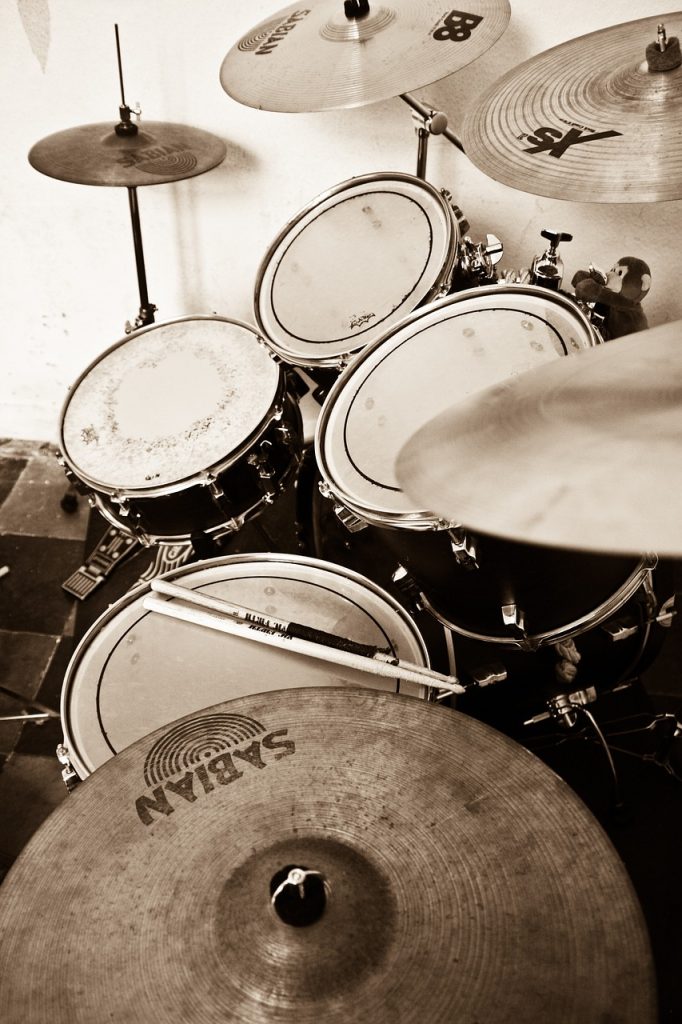
The origins of the American rock drummer are rooted in a blend of cultural exchange, technological change, and evolving musical styles that stretch back well before rock music itself existed. To understand how the rock drummer emerged, it’s necessary to look at earlier traditions particularly African rhythms, military drumming, jazz, and blues that shaped the rhythmic foundation of modern popular music in the United States.
Start selling percussion products & drum sets online or through any type of retail store. Buy drum sets wholesale and resell at below retail. Wholesale drum set distributors are readily available through Wholesale Music Warehouse USA.
African musical traditions played a central role in shaping rhythm in America. Enslaved Africans brought complex polyrhythms, call-and-response structures, and a deep emphasis on groove. Although drums were sometimes restricted during slavery, rhythmic expression survived through body percussion, clapping, and later, adapted instruments. These traditions became embedded in African American musical forms that would later influence rock.
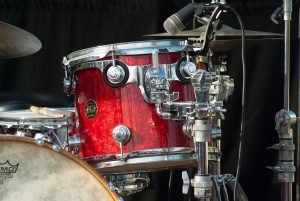
In the 19th century, military drumming also contributed to the American rhythmic vocabulary. Marching bands used snare drums and bass drums in regimented patterns designed for coordination and discipline. After the Civil War, surplus instruments became available to civilians, and many drummers transitioned into entertainment settings, helping to spread drumming techniques into popular music.
By the early 20th century, the drum kit as we know it began to take shape. Before this, percussion parts were often played by multiple musicians. The invention of the bass drum pedal allowed a single drummer to control multiple drums simultaneously, giving rise to the “trap set.” This innovation was crucial it transformed drumming into a more independent and expressive role.
Jazz was the first major American genre to elevate the drummer as a creative force. Drummers like Gene Krupa brought showmanship and improvisation to the forefront. Rather than simply keeping time, jazz drummers interacted with soloists and helped shape the music dynamically. This shift would strongly influence future rock drummers.
Swing music of the 1930s and 1940s further expanded the drummer’s role. Big bands required strong, consistent rhythm sections, and drummers became central to maintaining the groove. Figures like Chick Webb demonstrated technical skill and power, inspiring younger musicians who would later transition into rock.
Start selling percussion products & drum sets online or through any type of retail store. Buy drum sets wholesale and resell at below retail. Wholesale drum set distributors are readily available through Wholesale Music Warehouse USA.
Meanwhile, blues music contributed a different rhythmic feel looser, more emotional, and often rooted in storytelling. Blues drumming emphasized feel over precision, something that would become a hallmark of rock music. The combination of blues expression and jazz technique laid the groundwork for a new style.
The emergence of rhythm and blues (R&B) in the 1940s and 1950s marked a turning point. Drummers began to emphasize backbeats strong accents on the second and fourth beats of a measure. This pattern became a defining feature of early rock and roll, giving the music its driving, danceable energy.
As rock and roll developed in the 1950s, drummers became more prominent both musically and visually. Artists like Earl Palmer were instrumental in shaping the standard rock beat. Palmer’s work on countless recordings helped establish the rhythmic blueprint for the genre.
Technological advancements also played a significant role. Amplification allowed guitars to become louder, which in turn required drummers to play with greater presence. Drum kits evolved, with larger bass drums, more cymbals, and improved hardware to withstand the demands of louder music.
The cultural context of post-war America also fueled the rise of rock drumming. Youth culture was expanding, and rock music became a symbol of rebellion and identity. Drummers, often positioned at the back of the stage, became the engine driving this new sound, embodying its intensity and energy.
By the 1960s, rock drumming had become more experimental. Influenced by jazz and global rhythms, drummers began to explore new time signatures, fills, and textures. Mitch Mitchell blended jazz improvisation with rock power, pushing the boundaries of what a rock drummer could do.
The influence of surf rock and early California scenes also contributed to drumming styles. Fast tempos and energetic playing demanded stamina and precision, helping shape a distinctly American approach to rock rhythm that emphasized drive and consistency.
Studio recording techniques further transformed drumming. Multi-track recording allowed producers to isolate and enhance drum sounds, making them more prominent in the mix. This elevated the drummer’s role from background timekeeper to a central sonic element.

The rise of iconic drum patterns helped define rock songs. Simple yet powerful beats became instantly recognizable, showing that effectiveness often mattered more than complexity. This approach made rock drumming accessible and influential for aspiring musicians.
By the late 1960s and early 1970s, drummers were gaining recognition as individual artists. Extended solos, larger kits, and more complex arrangements became common. The drummer was no longer just part of the band they were a key personality within it.
Regional influences within the United States also shaped rock drumming. Southern rock incorporated blues and country elements, while urban scenes drew from funk and soul. Each region contributed unique rhythmic flavors that enriched the overall style.
Funk music, in particular, had a major impact. Drummers emphasized tight grooves and syncopation, influencing rock musicians who sought to add more rhythmic complexity. This cross-pollination kept rock drumming evolving rather than becoming static.
Education and media exposure helped spread drumming techniques. Instructional materials, television performances, and later, recordings allowed aspiring drummers from established bands & players, accelerating the development of new talent across the country.
The origins of the American rock drummer are therefore not tied to a single moment or individual, but to a convergence of traditions. African rhythms, military precision, jazz improvisation, and blues feeling all contributed to a uniquely powerful and adaptable style.
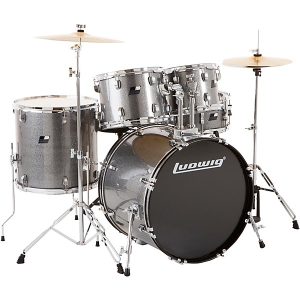
Ultimately, the American rock drummer emerged as a symbol of rhythm, energy, and innovation. From early jazz pioneers to rock and roll trailblazers, drummers have shaped the sound and spirit of American music, leaving a legacy that continues to evolve today.


