
The future of selling musical instruments online is poised to grow alongside the broader expansion of e-commerce and digital creativity. As more musicians record, produce, and perform from home studios, demand for instruments and gear is becoming increasingly global and niche driven. Online platforms make it possible to reach hobbyists, professionals, and collectors across continents, not just local customers. Advances in augmented reality, AI-driven recommendations, and high-quality demo content will likely make online instrument shopping feel more interactive and trustworthy, reducing the need for in-store testing.

However, there are real pitfalls to consider. One of the biggest challenges is trust, buyers often hesitate to purchase instruments they cannot physically try, especially higher-end gear. Returns and shipping damage can also cut into profits, particularly for fragile or large instruments like guitars or keyboards. Counterfeit products, unclear product descriptions, and inconsistent quality control can harm your reputation quickly. Additionally, competition is intense, with established marketplaces and big retailers dominating search visibility and pricing power.
In terms of earnings, there is strong potential, but margins vary widely depending on your approach. Selling new instruments often comes with thinner margins due to competition, while used, vintage, or boutique gear can offer significantly higher profits if sourced well. Bundling products (like guitars with accessories), offering setup services, or selling digital add-ons such as lessons or presets can increase average order value. A well-run niche store focused on a specific category like analog synths, pedals, or beginner kits can outperform a generic “sell everything” approach.

Marketing your music gear business effectively will require a mix of content and community. High-quality demo videos, comparison reviews, and tutorials are essential customers want to hear and see instruments in action before buying. Platforms like YouTube, TikTok, and Instagram are especially powerful for this niche. Building an email list, offering exclusive deals, and maintaining a blog with helpful guides (e.g., “best starter guitars” or “how to build a pedalboard”) can also drive consistent traffic. Collaborating with musicians, influencers, or local artists to showcase your products adds credibility and expands your reach.
Finally, long-term success will depend on building a brand, not just a storefront. Customers who buy instruments often return for upgrades, accessories, and advice, so trust and expertise matter. Offering excellent customer support, transparent policies, and personalized recommendations can set you apart from large, impersonal retailers. If you can position your business as both a shop and a resource for musicians, you’ll create loyalty and that’s what turns one-time buyers into repeat customers in a competitive online market.


Guitar & Bass



DJ & Club Gear

Instructional

Accessories

Guitar/Instrument Cable
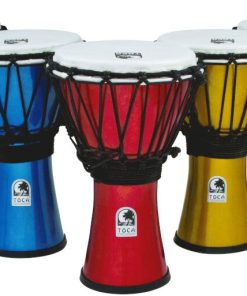

DJ & Club Gear
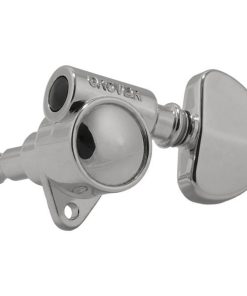
Tuning Machine Heads
GROVER ORIG. “MILK BOTTLE” STYLE ROTOMATICS ® CHROME SET 6 3 + 3
Accessories


Accessories


Guitar & Bass

Accessories
Accessories
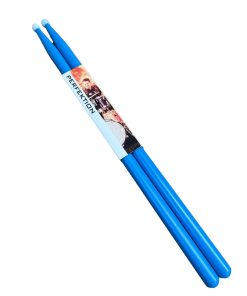
DJ & Club Gear


Guitar Knobs & Potentiometers

Accessories
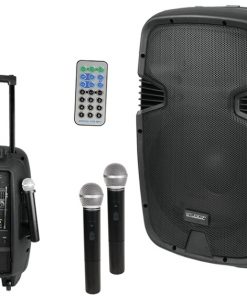
DJ & Club Gear


Accessories
Percussion

DJ & Club Gear

Accessories

Ukulele


DJ & Club Gear
