Selling Musical Instruments Online Through Dropshipping
Selling musical instruments online through dropshipping can be an attractive ecommerce business because you can offer a large catalog without purchasing and storing hundreds of instruments yourself. Instead, the customer places an order through your website or marketplace, and your supplier ships the product directly to the customer. This dramatically reduces the capital required to start compared with operating a traditional music store. The biggest challenge is choosing products and suppliers carefully enough that your margins, shipping times, inventory accuracy, and customer service remain competitive.

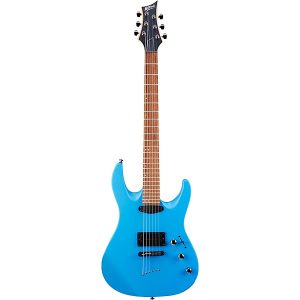
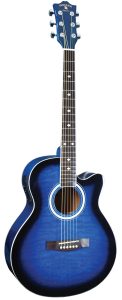
The first products I would consider listing are guitars and basses, particularly popular beginner and intermediate models. Electric guitars, acoustic guitars, bass guitars, ukuleles, and smaller travel instruments can attract customers at many different price points. However, large instruments require more careful attention to shipping costs and damage policies. You need to know exactly how your supplier handles broken necks, damaged finishes, missing accessories, and returns before you begin selling them.
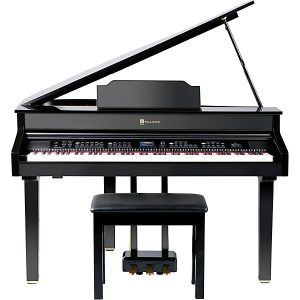
Keyboards, digital pianos, MIDI controllers, and electronic drums are another strong category. These products appeal to beginners, home musicians, recording enthusiasts, churches, schools, and professional performers. Digital music equipment can also be particularly interesting for ecommerce because customers often research specifications online before buying. A good product page explaining keyboard size, number of keys, connectivity, sounds, compatibility, and intended use can convert much better than simply copying a manufacturer’s description.
One of the most attractive categories for a dropshipping operation is actually musical accessories. Strings, picks, tuners, capos, guitar straps, cables, stands, drumsticks, reeds, cases, cleaning products, music stands, metronomes, headphones, and instrument-care products are generally easier and cheaper to ship than full-size instruments. They also create opportunities for repeat purchases. A guitarist may buy a guitar once but purchase strings, picks, cables, accessories, and maintenance products repeatedly.
Guitar effects pedals and pedalboard equipment deserve special attention. Pedals are relatively compact, highly searchable, and often purchased by customers who already own guitars and amplifiers. Multi-effects processors, distortion pedals, delay pedals, reverb pedals, wah pedals, tuners, power supplies, patch cables, and pedalboards can be combined into logical product categories. Current guitar-shopping coverage also shows continued consumer interest in pedals, pedalboards, cables, strings, picks, and related accessories.
Recording and home-studio equipment can provide another excellent product category. Audio interfaces, microphones, studio headphones, monitor speakers, MIDI keyboards, microphone stands, pop filters, cables, mixers, and portable recording equipment appeal to musicians who may never perform on stage. The home-recording customer is particularly valuable because one buyer can purchase several complementary products. Someone buying an audio interface, for example, may also need headphones, microphones, cables, stands, and other accessories.
One important dropshipping strategy is to think in terms of complete systems rather than individual products. Instead of simply listing a guitar, create a “beginner electric guitar setup” containing a guitar, amplifier, cable, strap, tuner, picks, and perhaps a stand. A keyboard can be marketed with a stand, bench, headphones, and sustain pedal. A recording interface can be paired with headphones, a microphone, and cables. Bundling increases the average order value while helping the customer understand exactly what they need.
Your supplier is arguably more important than your website. Look for suppliers with accurate inventory feeds, reliable fulfillment, predictable shipping times, professional packaging, reasonable return policies, and responsive dealer support. Ideally, you want suppliers that ship domestically and can provide tracking quickly. A product that shows “in stock” on your website but is actually unavailable at the supplier can create cancellations, unhappy customers, and negative reviews.
Shipping is one of the biggest potential pitfalls. A guitar, electronic drum kit, amplifier, or digital piano can be expensive to ship, and oversized products can destroy an otherwise attractive profit margin. Before listing a product, calculate the selling price minus supplier cost, marketplace fees, payment processing, shipping expenses, advertising costs, refunds, and expected returns. Never assume that the difference between wholesale and retail price represents your actual profit.
Marketplace fees need to be included in your pricing strategy. For example, Reverb currently states that sellers pay a 5% selling fee plus payment processing, with its standard processing rate listed as 3.19% + $0.49; additional fees can apply in some circumstances. A product that appears to provide a 20% gross margin can therefore produce considerably less after marketplace fees, advertising, returns, discounts, and other expenses. Your spreadsheet should calculate the net profit per order, not simply the wholesale-to-retail difference.
Product descriptions are another major opportunity. Avoid relying entirely on manufacturer descriptions. Rewrite listings around the questions customers actually ask: “Is this good for a beginner?” “What amplifier do I need?” “Does it include a power supply?” “What cables are required?” “Will this work with my computer?” and “What is the difference between this model and the next model?” Educational product pages can attract search-engine traffic while also making customers more confident about purchasing.
Search-engine optimization can be especially useful for a music ecommerce store because musicians frequently search for specific products and solutions. Instead of having hundreds of generic product pages, build informational content around subjects such as “best beginner electric guitars,” “how to choose a digital piano,” “guitar pedals for blues,” “home recording equipment for beginners,” and “essential accessories for a new drummer.” Link those articles directly to products in your store. This creates a sales funnel in which useful information brings visitors to the website and relevant products provide the opportunity to purchase.
Social media and video can also be powerful because musical instruments are inherently visual and audible products. Short demonstrations, comparison videos, setup guides, beginner lessons, pedal demonstrations, and “top five” videos can attract musicians without requiring traditional advertising for every individual product. A particularly effective approach is demonstrating a problem and then showing the product solving it. Instead of simply advertising a microphone, for example, demonstrate how different microphones affect a recording.
One of the biggest mistakes is trying to compete solely on price with enormous retailers. A smaller dropshipping store usually cannot win a price war against the largest music retailers. Instead, compete through specialization, selection, education, customer service, bundles, useful content, and a carefully selected catalog. You might build a store specifically around beginner musicians, guitarists, home recording, worship musicians, school music programs, ukulele players, or another clearly defined customer group. A focused store can appear much more authoritative than a website containing thousands of unrelated products.

Finally, start with a manageable catalog and expand according to actual sales data. I would rather begin with several hundred carefully selected products than upload tens of thousands of items that nobody wants. Watch which products receive traffic, which produce sales, which generate repeat purchases, and which produce excessive returns or customer-service problems. Gradually expand the winning categories and eliminate weak products. The strongest long-term dropshipping music business is not necessarily the store with the largest catalog, it is the store with the right products, dependable suppliers, competitive pricing, excellent product information, fast fulfillment, and a marketing system that consistently brings qualified musicians to the site.
